
Integrating CBT and Comedy: A New Approach to Therapy


Exploring the Intersection of CBT and Comedy
Cognitive Behavioral Therapy (CBT) has long been a cornerstone in the field of mental health. Known for its structured approach to changing negative thought patterns, CBT helps individuals develop healthier thinking and behavior. But what happens when you add comedy into the mix? Integrating CBT with comedy can offer a fresh, engaging way to enhance therapy sessions.
Comedy brings laughter, which has been shown to reduce stress, improve mood, and foster a positive environment. This integration can make therapy more approachable and enjoyable, encouraging clients to participate actively in their healing journey.

The Science Behind Laughter
Laughter triggers the release of endorphins, the body's natural feel-good chemicals. These endorphins promote an overall sense of well-being and can temporarily relieve pain. By incorporating humor into therapy, clients can experience these benefits, making it easier to tackle challenging cognitive exercises.
Moreover, laughter can help break down barriers. It can create a safe space where clients feel more comfortable sharing their thoughts and experiences. This openness is crucial in CBT, where transparency and honesty play significant roles in progress.

How Comedy Enhances CBT Techniques
In a typical CBT session, therapists help clients identify and challenge negative thought patterns. Introducing humor can make this process less intimidating. For instance, a therapist might use a light-hearted analogy or a humorous story to illustrate a point, making complex concepts more relatable and easier to understand.
Additionally, humor can be used to reframe negative thoughts. By using comedic techniques, clients can learn to view their thoughts from a different perspective, reducing the power those thoughts may hold over them.
Practical Applications in Therapy
Therapists interested in this approach can start by integrating small doses of humor into their sessions. Here are some ideas:
- Start with icebreakers or funny anecdotes to set a relaxed tone.
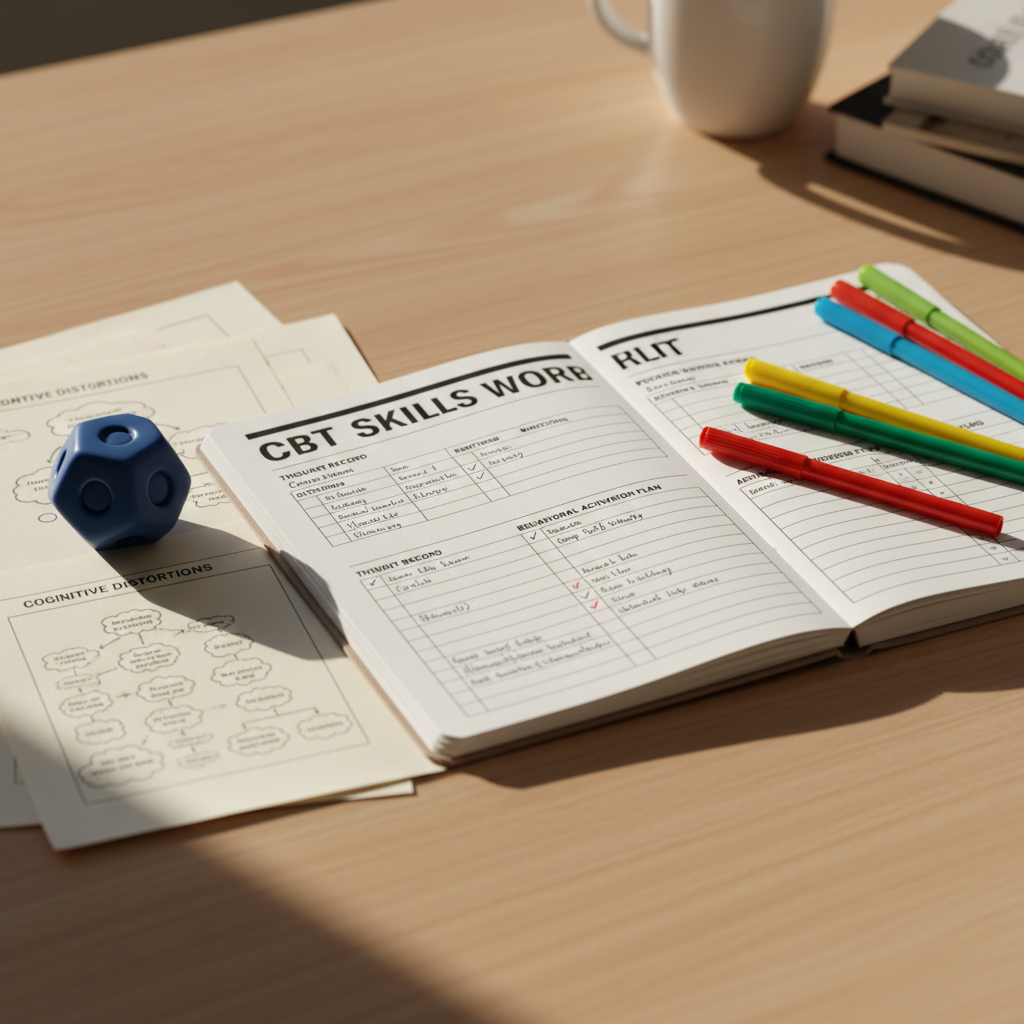
- Use cartoons or humorous videos to illustrate cognitive distortions.
- Encourage clients to keep a "humor journal" to document funny incidents or thoughts.
These simple additions can make sessions more engaging and help clients feel more at ease.
Potential Challenges and Considerations
While the integration of comedy into CBT has many benefits, it is essential to approach it with sensitivity. Not every client will respond well to humor, and what one person finds funny, another may not. Therapists must be attuned to their clients' needs and preferences, ensuring that humor complements rather than detracts from the therapeutic process.
Furthermore, it's crucial to maintain professionalism and respect. Humor should never be used to belittle or dismiss a client's feelings. Instead, it should be a tool to support and enhance the therapeutic journey.

Conclusion: A New Path Forward
Integrating comedy into CBT offers a refreshing approach to therapy that can make sessions more enjoyable and effective. By harnessing the power of laughter, therapists can help clients feel more comfortable, engaged, and open to change. As with any therapeutic tool, the key is to use humor thoughtfully and adaptively, ensuring it meets the unique needs of each client.
This innovative approach represents a promising new path in mental health care, one where healing and humor go hand in hand.